What I Value

“ Caritas, Veritas, Fortitudo . . . ” During my childhood, I experienced medical conditions that heightened my awareness of how medicine wa...

Showing posts with label chronic illness. Show all posts

Friday, February 3, 2023

CHRONIC ILLNESS ANNOTATED BIBLIOGRAPHY UPDATED


by Shane George

Oxford Bibliographies Online
During the summer, I joined Patricia Fennell and Sara Rieder Bennett to update the Chronic Illness annotated bibliography at Oxford Bibliographies Online, a subscription-based bibliography database
 with articles on various topics published through Oxford University Press. Several novel discussions of chronic illness came out of this experience, and provided perspectives from which the experience of chronic illness could be understood in social work. The bibliography presents the nuances of chronic illness within various relevant contexts.

Among our inclusion of many newer editions of formerly cited works, several sections and subsections in the annotated bibliography were either removed, added, or revised to accurately reflect the current sociopolitical climate. For instance, the COVID-19 pandemic has birthed the persistent, long-form post-viral condition termed “Long Covid.” The condition’s similarities to other post-viral conditions has necessitated a new classification to describe them. Dr. Ken Friedman and colleagues (1) have termed this “Post Active Phase of Infection Syndrome,” or PAPIS. PAPIS as a classification may aid in shifting perspective on post-viral conditions, aiding in the search for shared treatment models as well.

In this vein, several updates involved caregiving and models of treatment/care. In addition to the importance of multidisciplinary treatment teams for chronic illnesses in medical care, treatments can also include occupational care. Functional medicine is increasingly appearing as a model of care that offers more patient-oriented treatment experiences. Meanwhile, psychological and behavioral methods have involved managing the various affective, behavioral, and cognitive challenges of experiencing a chronic illness. Division 12 of the American Psychological Association (2) describes behavioral therapy, cognitive behavioral therapy, multi-component cognitive behavioral therapy, and acceptance and commitment therapy as treatments for chronic conditions with greatest empirical support. Social work models assist patients manage their chronic illnesses by providing care in interventions, advocacy for health services, as well as through exploring various systems that define chronic illness treatment. Finally, new multidisciplinary perspectives posit the importance of integrated treatments. The Louis Armstrong Department of Music Therapy (3) of Mount Sinai Continuum Health Partners, for instance, involves music therapy in their provision of clinical care for chronic illnesses.

The greatest changes and updates occurred within the newly termed “Evolving Issues” section. Resources that discussed genetics and virology of chronic illness focused on the use of genetics research in aiding public health efforts. The use of mRNA vaccines in protecting against COVID-19 infections is a pertinent example of this, as discussed by Dr. Giuseppe Novelli and colleagues. (4) The formerly titled “Culturally Congruent Approaches” subsection became “Intersectional Approaches” so as to highlight the role of intersecting social identities in the experience of chronic illness. This subsection included a resource (5) on transgender and gender nonconforming identities as they relate to health.

Social unrest and war in the current world motivated another transition from veteran's health toward an inclusion of all people impacted by war. For instance, the World Health Organization (6) reports health concerns among refugees and migrants as a key point of action. Factors such as climate change are also discussed as they become more relevant. The final point of discussion included as an evolving issue is technology as it is used in communicating information, as well as its use at the assessment and treatment stages of interventions.


References

  1. Kenneth J. Friedman, Modra Murovska, Derek F. H. Pheby, and Paweł Zalewski. 2021. Our evolving understanding of ME/CFS. Medicina 57:200.
  2. Psychological Diagnoses and Other Targets of Treatment Chronic or Persistent Pain
  3. Louis Armstrong Department of Music Therapy
  4. Novelli, Giuseppe, Michela Biancolella, Tury, Mehrian-Shai, Vito Luigi Colona, Anderson F. Brito, Nathan D. Grubaugh, Vasilis Vasiliou, Lucio Luzzatto, and Juergen K.V. Reichardt. 2021. COVID-19 one year into the pandemic: From genetics and genomics to therapy, vaccination, and policy. Human Genomics 15: 1-13.
  5. Current Research Trends in Transgender Health
  6. World Report on the Health of Refugees and Migrants: Summary


Tuesday, April 5, 2022

LONG HAUL COVID OFFERS HOPE OF BETTER TREATMENT OPTIONS FOR CHRONIC ILLNESS


As of April 1, 2022 there are over 80 million COVID infection cases that have been reported in the U.S.1   It is anticipated that roughly half of these patients will develop Long COVID.2

Rarely discussed are the similarities of symptoms of Long COVID, ME/CFS (also known as Chronic Fatigue Syndrome), Lyme disease and other chronic illnesses.  These similarities of symptoms has led to the proposal of a new classification of these illnesses as PostActive Phase of Infection Syndromes or PAPIS.3 Researchers Dr. Ken Friedman4 and Dr. David Maughan5 describe the similarities between ME/CFS and Long COVID, how their families have been affected, and discuss how treatment options for ME/CFS may have implications for Long COVID in their recent interview on the “Paradigms” podcast.6

Drs. Friedman and Maughan discuss the importance of classifying Long COVID, ME/CFS, Lyme disease, and other similar chronic conditions as PAPIS for the advancement of research, improving clinical care and finding cures.  The PAPIS classification is more fully discussed in a recent journal article.7

COVID-19 is an initial respiratory infection caused by SARS-CoV-2, a coronavirus discovered in 2019. According to the CDC, COVID spreads when an infected person breathes out droplets or particles.8  You may become infected by breathing in those droplets or particles, having droplets land on your eyes, nose or mouth, or touching your eyes, nose or mouth when the virus is on your hands.  Symptoms can range from mild to severe. Some people may infect others without realizing it because not all who are infected have symptoms.9

Long COVID is defined as the lingering symptoms following COVID-19 that are known to last weeks or months.   However, it is too early to know the long-term outlook for this disease.10   “Long COVID” can be experienced by anyone who has had COVID-19, even if their illness was mild, or they were free of symptoms, and the symptoms of Long COVID may not appear for weeks after infection.

Long COVID symptoms and their similarities to other chronic illnesses are having a dramatic impact on the funding of chronic disease research which has long been neglected. It appears that the Coronavirus pandemic, and the unanticipated Long COVID consequence is now breathing new life into the challenge of finding better treatment options for chronic illness.11


NOTES 

  1. U.S. COVID-19 Statistics https://covidusa.net/
  2. “How Many People Get ‘Long COVID?” — https://www.sciencedaily.com/releases/2021/10/211013114112.htm
  3. Friedman KJ, Murovska M, Pheby DFH, Zalewski P. — “Our Evolving Understanding of ME/CFS” — Medicina, 2021 — https://www.mdpi.com/1648-9144/57/3/200\
  4. Dr. Ken Friedman, Ph.D. — Associate Professor of Medicine, Rowan University School of Osteopathic Medicine
  5. Dr. David Maughan, Ph.D. — Research Professor, University of Vermont College of Medicine
  6. Paradigms Podcast: Dr. Ken Friedman and Dr. David Maugham “ME/CFS and Long Haul Covid Similarities and Ramifications”  https://paradigms.life/2022/dr-ken-friedman-and-dr-david-maughan-me-cfs-and-long-haul-covid-similarities-and-ramifications/
  7. Friedman KJ, Murovska M, Pheby DFH, Zalewski P. Our Evolving Understanding of ME/CFS”  Medicina. 2021; 57(3):200 https://doi.org/10.3390/medicina57030200
  8. “How COVID-19 Spreads” https://www.cdc.gov/coronavirus/2019-ncov/prevent-getting-sick/how-covid-spreads.html
  9. “Symptoms of COVID-19” https://www.cdc.gov/coronavirus/2019-ncov/symptoms-testing/symptoms.html
  10. Raveendran, A. V., Jayadevan, R., & Sashidharan, S. (2021) Long COVID: An overview” Diabetes & metabolic syndrome15(3), 869–875 https://doi.org/10.1016/j.dsx.2021.04.007
  11. “How long COVID sheds light on other mysterious (and lonely) chronic illnesses” (NPR) https://www.npr.org/sections/health-shots/2022/02/28/1083458296/long-covid-autoimmune-meghan-orourke-invisible-kingdom


Saturday, December 11, 2021

HOLIDAY ADVICE BY PATRICIA FENNELL IN WebMD

In the midst of a busy holiday season, it is more important than ever for those with chronic illness to communicate, advocate and maintain clarity around their capacities and needs. With the added concerns and precautions of navigating COVID-19, supportive conversation with loved ones is key to managing expectations and creating joyful holiday experiences.

Clarity & Advocacy

Chronic illness calls for clarity and advocacy. Friends and family need clear communication in order to manage expectations. Patricia Fennell (MSW, LCSW-R) coaches patients on how to negotiate their needs. "People don't know how to ask for what they need. They'll stay home from a holiday party because they can't stand that long. We need a new social etiquette for people with chronic illness." Fennell advises stating your needs in behavioral rather than general terms. "Don't just tell Aunt Jane you'll have to leave early. Tell her you've been feeling fatigued and can stay only two or three hours. Also, tell her that standing tires you out  ask her to have a seat for you. Putting it in behavioral terms makes it easier for Aunt Jane to conceptualize and to accommodate." 

Firm & Flexible Boundaries

No one understands your needs better than you. Pre-set boundaries are key in maintaining optimal health over the holidays. Having predetermined end times for hosted gatherings, as well as extra prep and post time built into your schedule for recovery can be helpful. Keeping departure time open ended at gatherings is a good idea, with a gentle way to excuse yourself when you're ready. The best boundary to feel comfortable with is simply, saying no when needed.

Ask For & Employ Help

When hosting, ask family or close friends to assist with cooking or other tasks that can be shared. "Asking in advance allows people to help gracefully." Order groceries or catering in advance and have it delivered. Hire extra support for pre and post clean-up. Prep as much as possible in advance and consider the use of disposable dishes and flatware when appropriate. 

Gratitude & Giving

The holidays can be an excellent time to reflect on what you are most grateful for, and to focus on the spirit of giving. "Take toys to the Marine Toys-for-Tots Foundation, take food to homebound seniors through Meals on Wheels, or provide goods and services to those in need. It will boost your spirit and remind you what the holidays are about."

The numbers of people with chronic illness are growing, and that's not necessarily a bad thing, says Fennell. "People are living today with heart disease and cancers that were once considered terminal illnesses, not chronic illnesses." Next time you are at a holiday party, or anywhere, look around. Some of those healthy-looking people may have chronic illnesses too. The growing numbers also mean you're not alone. 


Read full WebMD article


Jennifer Howard
Contributed by
Jennifer Howard


Wednesday, May 5, 2021

COVID: The Sequel

Mass vaccination and adjusted social behavior may finally get the pandemic under control. Then the medical world will have to turn its attention to the next chapter — millions of people suffering from long-haul COVID

As the pandemic took hold in the United States in March 2020, Caroline, a healthy, athletic woman in her late 20s, began to feel unwell. There was no COVID-19 test to be had at that point, but she called her clinicians to describe mild to moderate symptoms such as fever, respiratory difficulty, gastro-intestinal irritation, and loss of taste and smell — which came and went, and not all at the same time.

Caroline’s clinicians diagnosed her remotely as having COVID.

The fever, the teeth chattering, and the gastro symptoms went away — but not the fatigue, the body pains, or the neurocognitive symptoms, including sleep disturbance. Ten days later, 20 days later, a month later, she still hadn’t fully recovered.

Finally, eight months or so after the onset, Caroline had a COVID test, but it was negative, and an antibody test showed no antibodies. And without a positive test or antibodies in her system, she has found it difficult to find someone to treat or manage her condition. Most clinicians tell her that her persistent symptoms might or might not be COVID. And some say things like, “I have no idea what to tell you,” or “Are you sure this isn’t stress?”

Dan, in his late 30s, is a care provider for diagnosed COVID patients and their families. For a while, he continued to test negative, but began having symptoms about eight months ago. He was never hospitalized, and never had a positive test, without which the clinician who was seeing him would not diagnose him, in spite of all of the clinical indicators.

Dan still suffers from many long-term symptoms; his new clinician is helping him put together a team of specialists to develop and manage his treatment.

Caroline and Dan appear to suffer from what has come to be known as “long-haul COVID,” in which some manifestations of their illness just don’t go away, with symptoms sometimes mimicking those of other types of chronic illness.
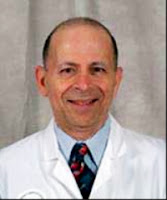
Kenneth J. Friedman, PhD

In fact, more prior investment in chronic illnesses, and a better understanding of how they work, could have helped us to prepare for long-haul COVID, says Ken Friedman, Ph.D., a retired professor of pharmacology and physiology and a longtime researcher of chronic conditions.* Instead, the medical establishment in the United States has been slow to recognize and research chronic illness, and soon will pay the price: dealing with an onslaught of as many as 9 million long-haul COVID cases in the coming years in the United States alone, based on Friedman’s statistical analysis of recorded COVID cases.

Patricia Fennell, MSW, LCSW-R, a researcher and clinician who has been researching and treating chronic illness for more than 30 years, agrees with Friedman’s assessment. “The medical establishment,” she says, “has been slow to recognize the need for specific treatment approaches for the chronically ill, and to integrate them into their medical education curricula. And from what I can already see in requests for treatment of long-haul COVID, we are not prepared for what’s coming.”

So far, Friedman warns, “we have not seen a response proportional to the severity of the crisis that is about to befall us.”

* * * * * *

Friedman, a Brooklyn native, has a combined degree in biology and chemistry from Lawrence College in Appleton, Wisc., and a Ph.D. from the State University of New York at Stony Brook.  He was a NIH Postdoctoral Fellow at UCLA before becoming a Staff Fellow at the National Institutes of Health.  He became an Associate Professor at New Jersey Medical School in Newark.  Friedman had decided he didn’t want to be a medical doctor — “I really didn’t like the sight of blood” — and was more interested in helping people through research.

One day, his desire to help people hit close to home and forever changed the trajectory of his research career.

Someone close to Friedman, an academic standout, had been admitted to a major university. After a few months at college, she became very ill, and explained her symptoms to Friedman. “I said, ‘You have mono. Go to student health services. Mono is very common in college students. They’ll know what to do'.” The student health service misdiagnosed the patient and sent her back to her dorm room.  Eventually, the young patient needed to be rescued from that dorm room.

In the months that followed, the patient tried but was unable to be diagnosed through traditional channels.  Friedman stepped in and persuaded the clinical faculty of his own medical school to examine and diagnose her.  Unfortunately, those physicians too were perplexed and unable to render a diagnosis.

At Friedman’s suggestions, despite not having a confirmed diagnosis, treatments aimed at alleviating symptoms were tried. Eventually, the patient regained sufficient health to, in an extended timeframe, complete college and become employed.  Full health, however, was never fully restored, and eventually the patient became housebound.

“Having a chronic illness,” Friedman says, “is life-changing not only for the patient, but for the family. My initial objective was to cure her. And that was based upon the belief that this was a disease like any other disease,” caused by an infectious agent, “and therefore cured by the removal of that infectious agent.”

“And that belief was based on what was written in the medical literature. But the medical literature was wrong.”

According to Friedman, Long COVID demonstrates that ME/CFS, Chronic Lyme disease, and other chronic, fatiguing illnesses which occur after a significant infection, exhibit similar symptoms and should be classified as belonging to a category of disease which he and colleagues have named PAPIS (Post Active Phase of Infection Syndromes).  He and his colleagues have established an ongoing collection of research articles in the journal Healthcare to promote the publication of research articles on the subject of PAPIS. “Some 90 years after the U.S. Public Health Service first described ME/CFS as a ‘polio-like’ illness, people are beginning to understand what that means!” 

* * * * * *

“For many doctors, the strange symptomology of long-haul Covid calls to mind another mysterious, poorly understood condition: myalgic encephalomyelitis, more familiarly known as chronic fatigue syndrome,” wrote Moises Velasquez-Manoffin in a January 21 New York Times article titled “What If You Never Get Better From COVID-19?”

Velasquez-Manoff went on to point out that “ME/CFS-like syndromes have been linked with infections for more than a century — including, most recently, those caused by the viruses responsible for the SARS and H1N1 pandemics in 2003 and 2009.”

And according to Fennell, there is growing evidence that COVID-19 already has ignited a public-health crisis that will persist long after vaccinations help us reach “herd immunity” and many of us put our masks away. “We are getting increasing numbers of requests from medical professionals who either have personally suffered COVID with the long-term symptoms themselves, or their family members have,” Fennell says. “We are also getting requests for consultation from physicians who are overwhelmed by the emotional burden of caring for COVID-19 patients. Some of these clinicians are traumatized from the care they are providing, and are suffering long-term after-effects themselves, which is part of the larger, expanding public health issue of COVID-19.”

In addition to SARS and H1N1, Friedman says, there are “post-acute infectious syndromes” associated with many infectious diseases, among them, mononucleosis, Ebola virus disease, and Lyme disease.

But some of the early research into long-haul COVID and its treatment has not taken past research into account. “What they have done,” Friedman says, “is they have ignored the relevant data of other diseases. Why aren’t we looking at these all together?”

Friedman and some other researchers contend that where symptoms of long COVID are similar to those in patients suffering chronic illness in the post-acute phase of any of these diseases, treatments previously developed for those diseases may be effective for long COVID.

“Obviously we want to learn as much as we can about each new infectious disease,” Friedman says, “but in the meantime, treatments have been developed for symptoms which are similar across the spectrum. Why not apply what we already know, and consider how the diseases may be similar?”

“Diseases tend to be viewed as silos,” he continues, “as unique symptoms that have to be treated as no other disease is treated. The treatment is only effective for that one disease and does not apply to any others. That is not true.”

“The body does not care what the infective agent is.”

He offers the analogy that the body has a finite playbook of responses for infection, and it will employ those responses to the best of its ability to overcome the infection.

But, Friedman says, in long-haul COVID — as in ME/CFS — the body’s response is “overblown.”

“The plays in the playbook are not perfect. And some of those plays can do damage. Where medicine comes in, is that sometimes the physician can control the plays in the playbook so that they do not do damage.”

The failure to apply models of care previously developed for ME/CFS, Friedman suggests, is a symptom of a more grave issue: The medical establishment still does not fully recognize chronic illness “as a serious medical condition worthy of treatment. I think that most chronic illnesses are not given as serious a consideration as are acute illnesses.”

With acute illness, he continues, “you go to a physician and describe your symptoms, your physician develops a theory of what is wrong with you. … And once the underlying cause is found, the physician will know how to treat it. But for these chronic illnesses that don’t have a ‘tell,’ it becomes much more difficult to diagnose, and much more difficult to treat. So that’s why these conditions are not treated.”

And the U.S. government, he adds, “was very narrow in its approach to dealing with the pandemic. They put all of their eggs in one basket and focused on developing a vaccine, and avoided development of a treatment.”

“The CDC already has a model of care in place that would work for long-haul COVID, and that model of care is the model they developed for ME/CFS. The question is, ‘Why they would not implement that model of care now?’ ”

“If they would fully implement that model, both the ME/CFS patients and the long-haul COVID patients would be receiving care right now.”

“Going back 30 years,” says Fennell, “I, among others, have developed treatment approaches for long-term chronic illness. They are there. They should be adapted and used.”

Instead, Friedman fears, most people are not aware of or prepared for the “dim picture” that awaits us down the road, with between 3 and 9 million people suffering from long-haul COVID, according to his statistical model.

“That’s a lot of people.”

Potentially making matters worse, 3–9 million long-haulers is a projection based on the number of people who had been diagnosed with COVID as of a few weeks ago. But two current trends do not bode well: (1) the refusal of a significant number of persons in the United States to be vaccinated, and (2) the ongoing failure by the FDA to approve any treatment of COVID in its early stages. If these trends continue, then the number of long-haulers is likely to exceed the estimate.  

“The prognosis in terms of disability, and the number of people requiring social and financial support, is going to be very large in comparison to other diseases,” says Friedman. “And that should be a concern.”


* Effective April 26, 2021, Kenneth Friedman has received an academic appointment as adjunct associate professor, Department of Medicine, School of Osteopathic Medicine, Rowan University, Stratford, N.J.  


Written by Stephen Leon


© Albany Health Management Associates


Wednesday, September 30, 2020

What I Value


Caritas, Veritas, Fortitudo . . . ”

During my childhood, I experienced medical conditions that heightened my awareness of how medicine was practiced and how society regards people who are ill.

Patricia Fennell

As a young hospice worker, I saw the kind of assessment and care that I believed all people, not just the dying, deserved and required. At the same time, a paradigm shift was happening, from acute to chronic illness and thus an opportunity to reconsider how we care for the chronically afflicted and their loved ones. This paradigm shift continues worldwide.

Decades ago, I saw the epigraph, “Caritas, Veritas, Fortitudo,” carved into a building scheduled for demolition. These words captured for me what is required of those with chronic illness and those who work with them … these words guide us in our work:

  • Caritas means not only “love,” but also compassion.
  • Veritas refers not only to “truth,” but also to authenticity
  • Fortitudo is not simply “strength, but also courage

It is my hope that our work gives professionals and caregivers the help they need to assist patients in achieving “Caritas, Veritas, Fortitudo” and, with them, better, more meaningful lives.


Written by Patricia A. Fennell


© Albany Health Management Associates


Friday, January 12, 2018

THE DOCTOR OF DROWSY


In his new book, local author and sleep researcher Paul Glovinsky says the solution to insomnia may have more to do with getting sleepy than trying to fall asleep


Dr. Paul Glovinsky calls it his “Alice in Wonderland” moment. A graduate student studying neurophysiology at the City University of New York, he was doing grad work at Montefiore Hospital in the late 1970s when, during a lunch break, he became fascinated with a wide door bearing the sign “Laboratory of Human Chronophysiology.”

Dr. Paul Glovinsky
Dr. Paul Glovinsky
“I opened it, and I went in, and met people working there,” Glovinsky recalls of his first peek into the world of circadian cycles and sleep science. “It was the excitement of a new field. Everyone I was talking to, it was a feeling of exploration. People had a sense that they were in a special place.”

And they were: the field of sleep research was about to experience exponential growth. Prior to this era, there had been some clinical studies (REM sleep was defined and linked to dreams by researchers in 1953), but the field — led by pioneers William Dement and Michael Jouvet — was still young. “There were many people studying circadian rhythms, but mainly in animal models,” Glovinsky says.

The sleep center at Montefiore was one of only two in the country at the time (the other was at Stanford University); today, in Glovinsky’s estimation, “there are probably over a thousand.”

Glovinsky, who was born and raised in the Detroit area and graduated from Yale University, received his Ph.D. from CUNY and wrote his dissertation on sleep. Today, he is a leading expert on the subject: along with his longtime colleague Arthur Spielman, Glovinsky wrote The Insomnia Answer: A Personalized Program for Identifying and Overcoming the Three Types of Insomnia (Penguin Books, 2006), and You Are Getting Sleepy: Lifestyle-Based Solutions for Insomnia (Diversion Books, 2017).

The Insomnia Answer
With The Insomnia Answer — widely respected among Spielman and Glovinsky’s peers, and influential in subsequent treatment of insomnia — the authors introduced three distinct sets of factors associated with insomnia: predisposing, precipitating, and perpetuating. “Predisposing” refers to characteristics people are born with; “precipitating” factors are stressful life changes including divorce, job loss, and the death of a loved one; and “perpetuating” factors are the maladjusted behaviors people employ to compensate for sleeping poorly. While the stress of precipitating factors is likely to recede over time, or go away altogether with a new job or spouse, the perpetuating behaviors often remain.

“The 3P behavioral model,” wrote reviewers Frank M. Ralls and Swala K. Abrams in the Journal of Clinical Sleep Medicine, “is beautifully explained and serves to logically demonstrate to the readers how insomnia occurs acutely and how it may become chronic and self-perpetuating.”

Patricia Fennell, who founded Albany Health Management Associates, Inc., and has worked with Glovinsky at the intersection of sleep disorders and chronic illness, adds that “precipitating factors can include a car accident, a fall, or even a severe flu. A kid comes home for Thanksgiving. It’s flu season; she gets sick. She goes back to school and she gets seriously ill. It turns out, an acute autoimmune disease has been triggered. It affects her sleep. She has pain, which also affects her sleep. She has to take new medication, which also can affect her sleep. And thus, a likely precipitating factor, the flu, produced a sleep disorder and the autoimmune condition.”

“You do not have to have a chronic disease to have a sleep disorder. But show me somebody who has chronic disease, and I’ll show you somebody who probably has sleep issues.”

You Are Getting Sleepy
With You Are Getting Sleepy, Spielman and Glovinsky turned their attention away from the perpetuating factors they had covered so well (along with other subsequent researchers) in The Insomnia Answer, and trained their sights on predisposing factors they considered less well-covered, including chronic conditions such as depression, anxiety, circadian rhythm disorder, and hyperarousal, any of which can sap a person’s energy during their waking hours and throw off their sleep cycles. (To that list, Fennell would add chronic diseases such as multiple sclerosis, arthritis, cancer, diabetes, and heart disease.)

In clinical trials, Spielman and Glovinsky had come to a new conclusion: some patients were focusing too much on getting to sleep and not enough on getting sleepy.

“Sleepiness — that’s my new hook here,” Glovinsky says. “It’s a common result of an experience with insomnia or chronic sleeplessness that people become more attuned to the question of whether they’re going to sleep or not,” and they make too much of an effort to try to figure it out. “The paradox is that the more you make an effort to sleep, the less likely you will get to sleep.”

People who aren’t getting enough sleep at night often get sleepy at other times of the day, when it interferes with work or family or the general quality of their life. So Glovinsky and Spielman shifted their focus to “trying to get people sleepy at the right time and place. There are things you can do to promote sleepiness.” And recognizing that there is no one-size-fits-all answer to insomnia, they wrote and organized You Are Getting Sleepy in a way that encourages readers to jump around and look for strategies that fit their personal experiences.

Before they began writing, the authors knew their clinical work was opening up new ground to cover in a book, but they faced an ominous new obstacle: Spielman was diagnosed with cancer and began to undergo chemotherapy. In 2014, while Glovinsky was on vacation, he was dogged by the realization that the clock was ticking, and called Spielman from Greece to insist that they had to get to work on it as soon as possible. Spielman, whom Glovinsky considered the originator of many of the concepts they developed together, contributed to the project until he died in 2015.

Although Glovinsky was more the writer of the pair, he now had to face the loss of his trusted colleague and sounding board. “That was difficult. It took a year before I picked it up again. Writing was not the issue. But in 30 years, I always had him to bring things to me.”
Glovinsky, who lives in Columbia County and New York City with his wife of 35 years, Maureen (with whom he has three grown sons), finished the book in 2016, and it was released this year by Diversion Books.

Glovinsky met his two most influential lifelong colleagues — Spielman and Aaron Sher — on the same day in 1979 while doing his graduate work at CUNY. Today, Glovinsky practices psychology at the St. Peter’s Sleep Center in Albany, where Sher was medical director until his recent retirement. Glovinsky also was, for many years, an adjunct professor of psychology at the Graduate Center at CUNY in New York City, where Spielman taught until his death.

Insomnia and associated problems affect more than 10 percent of the population, Glovinsky says. And people who rely on sleeping pills to solve the problem tend to believe that only the pills can cure the insomnia, which he argues is not productive in the long run. “My thrust in writing the book is that sleep is in you,” he says. “Ultimately, you have to believe you can sleep again.”

Looking back at the day he decided to push open the mysterious door at Montefiore Hospital, Glovinsky marvels at how well that fateful impulse played out.

“Sleep, it turns out, is intimately related to just about everything that happens in waking life. It effects our cells, organs, systems, behaviors, moods, thoughts, and social roles. Few of us had any inkling of this range back in the 1970s, as we were making career choices. We have been astounded by new discoveries concerning sleep in every year since. That’s why, I think, my walking through that Alice in Wonderland door at Montefiore turned out to be such a serendipitous choice.”
 

Written by Stephen Leon
© Albany Health Management Associates